Strong opinions about small things, held with total confidence and zero malice. A fresh take lands here every Friday — each with photographic evidence. If one of these describes you, don't worry — there's still time. The first step is admitting you leave the wedge in.
Take Nº 11 · fresh take every Friday
Salty take Nº 11
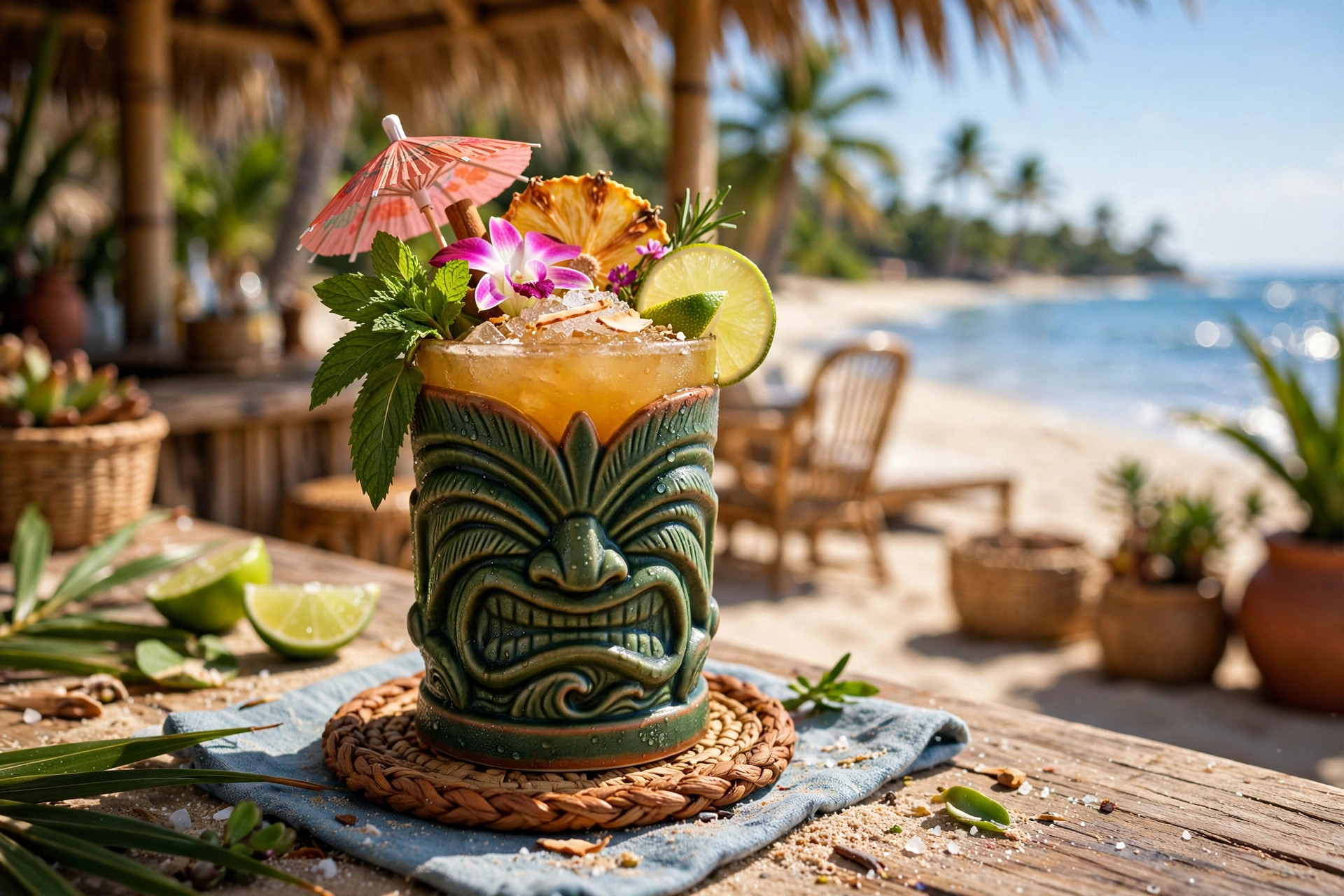
The Piña Colada Deserves Respect
The most mocked drink in the beach canon is also the most perfectly engineered.
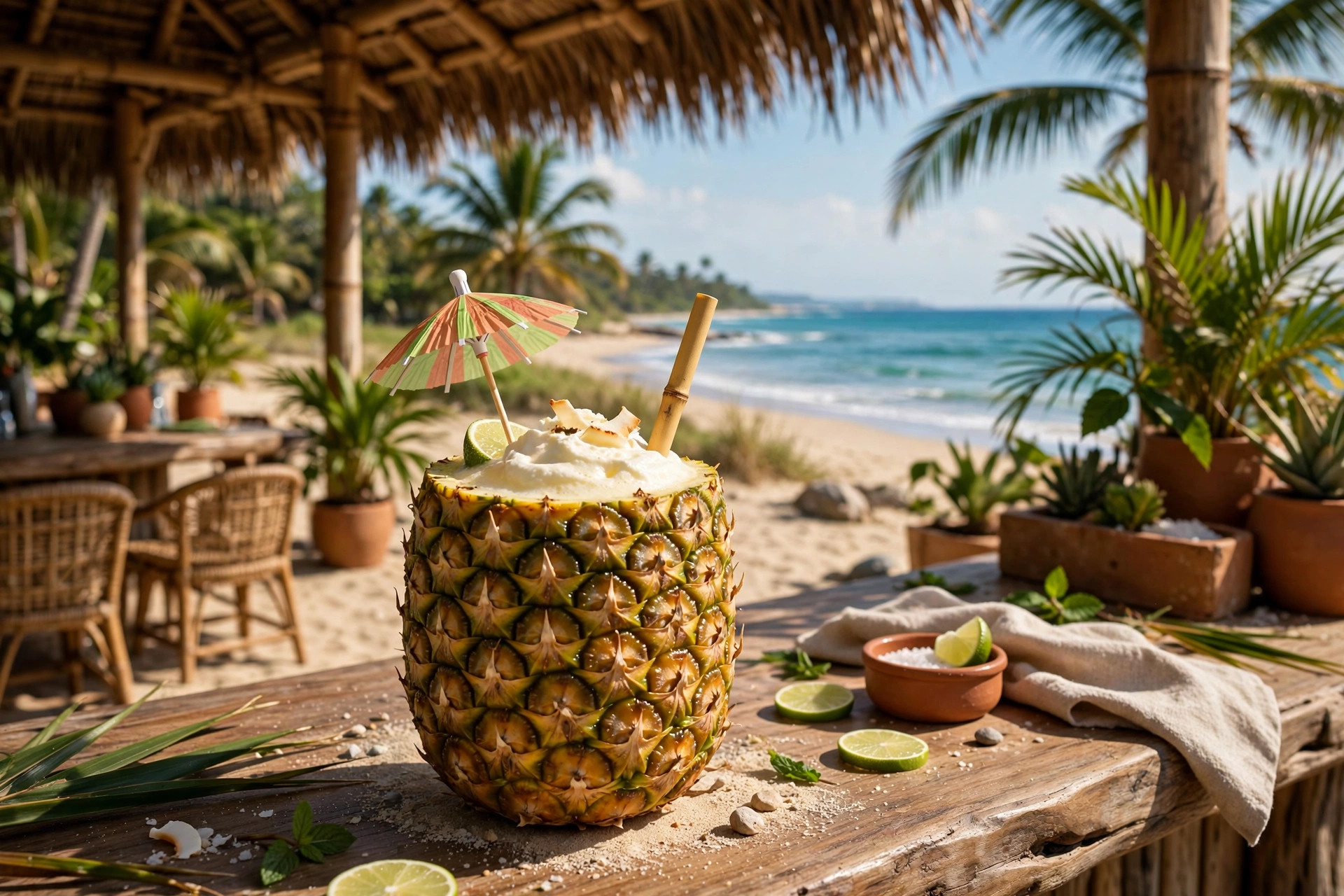
The piña colada takes more abuse than any drink alive. Say you like one at a cocktail bar and watch the room react like you ordered a juice box. Somewhere along the way, if you like piña coladas became a punchline instead of a lyric, and the drink got filed under tourist — something you enjoy ironically, with a little apology on the side.
But strip away the reputation and look at the architecture: rum, coconut cream, pineapple — fat, acid, sugar, and spirit in near-perfect balance. It's a tropical trinity engineered in Puerto Rico in the 1950s, and it has survived every trend cycle since without changing a thing. Drinks that are actually bad don't survive seventy years. They get replaced by the next slushie. The colada endures because the math works.
The mockery was never about the drink anyway. It was about the drinker — the imagined tourist, the umbrella crowd, the people having too obvious a good time. That's the tell. We don't sneer at the daiquiri, which is the colada's minimalist sibling. We sneer at joy that doesn't ask permission. Order the colada. Hold the pineapple with both hands. Let them stare.
— Seventy years of perfect math. Hold the apology.
Salty take Nº 10
Mezcal Is Not Tequila's Edgy Cousin
Every spirit deserves better than being introduced as somebody else's quirkier relative.
If mezcal had a dollar for every time it's been described as like tequila, but smoky, it could buy its own category — which, for the record, it already has. Mezcal isn't tequila's edgy cousin who studied abroad. It's an older, wider, stranger family of spirits made from dozens of agave varieties across half of Mexico, and reducing it to tequila plus campfire is like calling the ocean a big puddle.
The cousin framing does real damage, because it makes mezcal a novelty act — the thing you order when you want to seem interesting — instead of a spirit with its own rituals, its own terroir, its own reasons for existing. Nobody introduces bourbon as like Scotch, but American. We afford the brown spirits their individuality. The agave spirits deserve the same paperwork.
And the smoke isn't even the point, which is the funniest part. A great mezcal has layers — earth, fruit, mineral, flowers — that have nothing to do with fire and everything to do with the plant and the place. Order it neat sometime. Taste what's actually in the glass instead of the story on the menu. The cousin narrative is a shortcut, and shortcuts skip the best parts.
The fanciest bottle on the shelf is wasted on a margarita. The honest one is not.
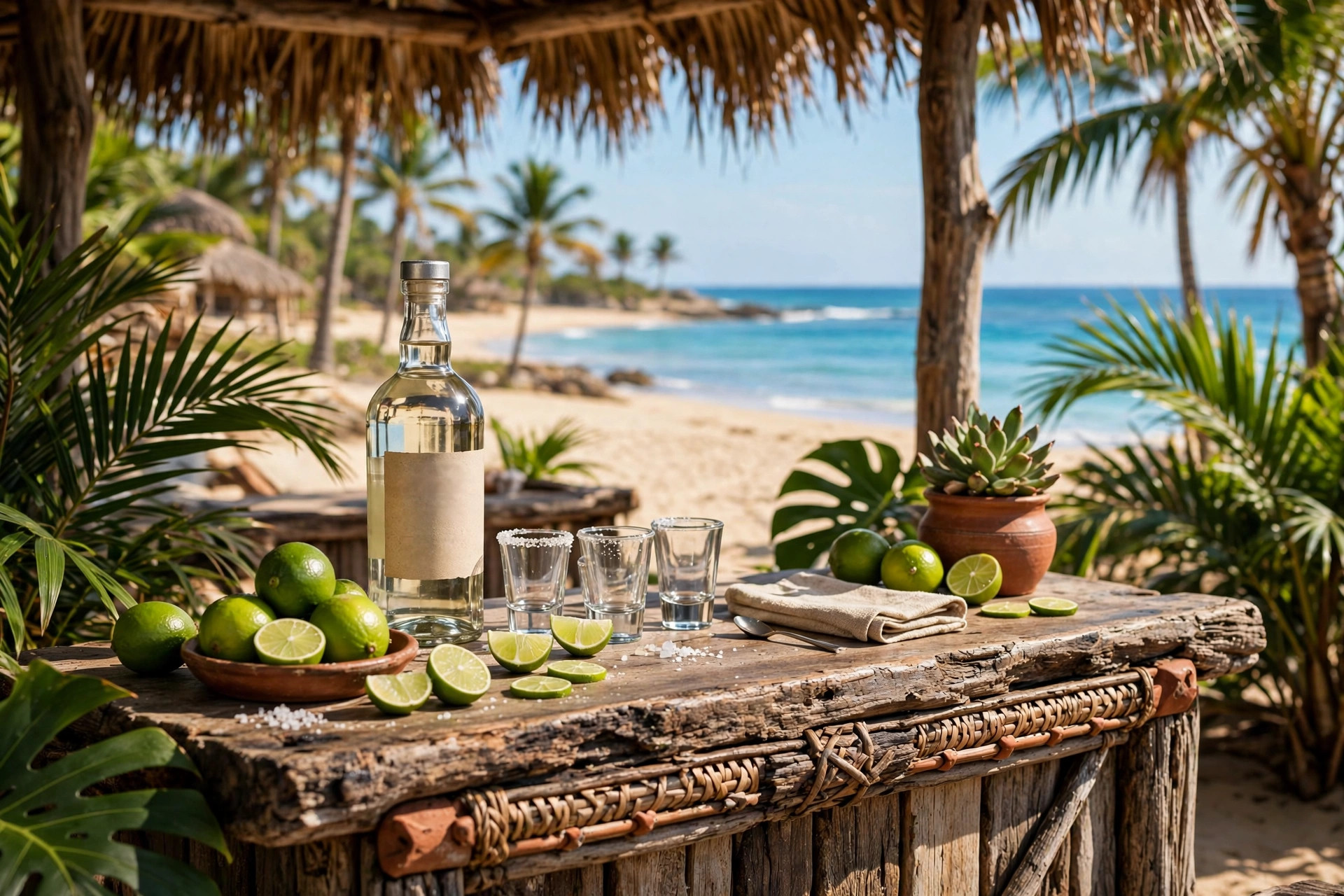
Somewhere there is a well-meaning person pouring a sixty-dollar reposado into a shaker with lime juice, and we need to stage a gentle intervention. A margarita is a citrus bomb with salt on the rim. It is loud, bright, and gloriously unsubtle — and it will flatten the vanilla-and-oak nuance of that aged tequila like a wave flattening a sandcastle. That bottle deserved a neat pour and a quiet room. You gave it a lime ambush.
This is where cheap blanco reigns supreme. Young, unaged, bright, a little brash — blanco is the exact flavor profile the margarita was built around. It doesn't need to be expensive to be good; it needs to be one hundred percent agave and not made with regrets. The cocktail is the great equalizer. Once the lime and salt enter the chat, a twenty-five-dollar bottle and a seventy-dollar bottle are telling the same story, except one of them cost you a beach umbrella.
There is also a freedom in it. A cheap blanco you can pour with conviction — no measuring anxiety, no whispering the price under your breath. Cocktails were invented for mixing, and mixing is a contact sport. Save the fancy bottle for sipping, buy the honest blanco for blending, and spend what you saved on better limes. That's not cheapness. That's allocation.
— The best tequila for a margarita is the one you pour without flinching.
Salty take Nº 8
The Skinny Margarita Industrial Complex
You paid extra for them to put less in the glass. Congratulations on the deal of the century.
Let's read the fine print on the skinny margarita. It's tequila, lime, and agave — which is, you may notice, a regular margarita with the orange liqueur swapped out. The industry took a standard cocktail, removed one ingredient, gave it a virtuous name, and started charging a premium for the subtraction. That's not a recipe. That's a pricing strategy wearing athleisure.
The deeper insult is the implication that the regular margarita is some kind of indulgence that needs managing — as if you're at the beach, in the sun, on vacation, and your drink needs a wellness plan. You're drinking tequila and lime juice. It's practically a health food already. The skinny label turns a perfectly balanced cocktail into a guilt project, and guilt is the one flavor that doesn't belong in the glass.
None of this is about the drink itself, which is fine — lime, tequila, and a little agave is a lovely combination that needed no rebranding. It's about the machinery: the menu section, the special glass, the knowing nod from the server. Order what you like, but order it with your eyes open. The skinny margarita isn't lighter. It's just lunch money with better marketing.
— It's a margarita minus. Pay for the plus.
Salty take Nº 7
Never Trust a Bar With No Salt
A bar without salt is a beach without sand: technically a place, spiritually a parking lot.
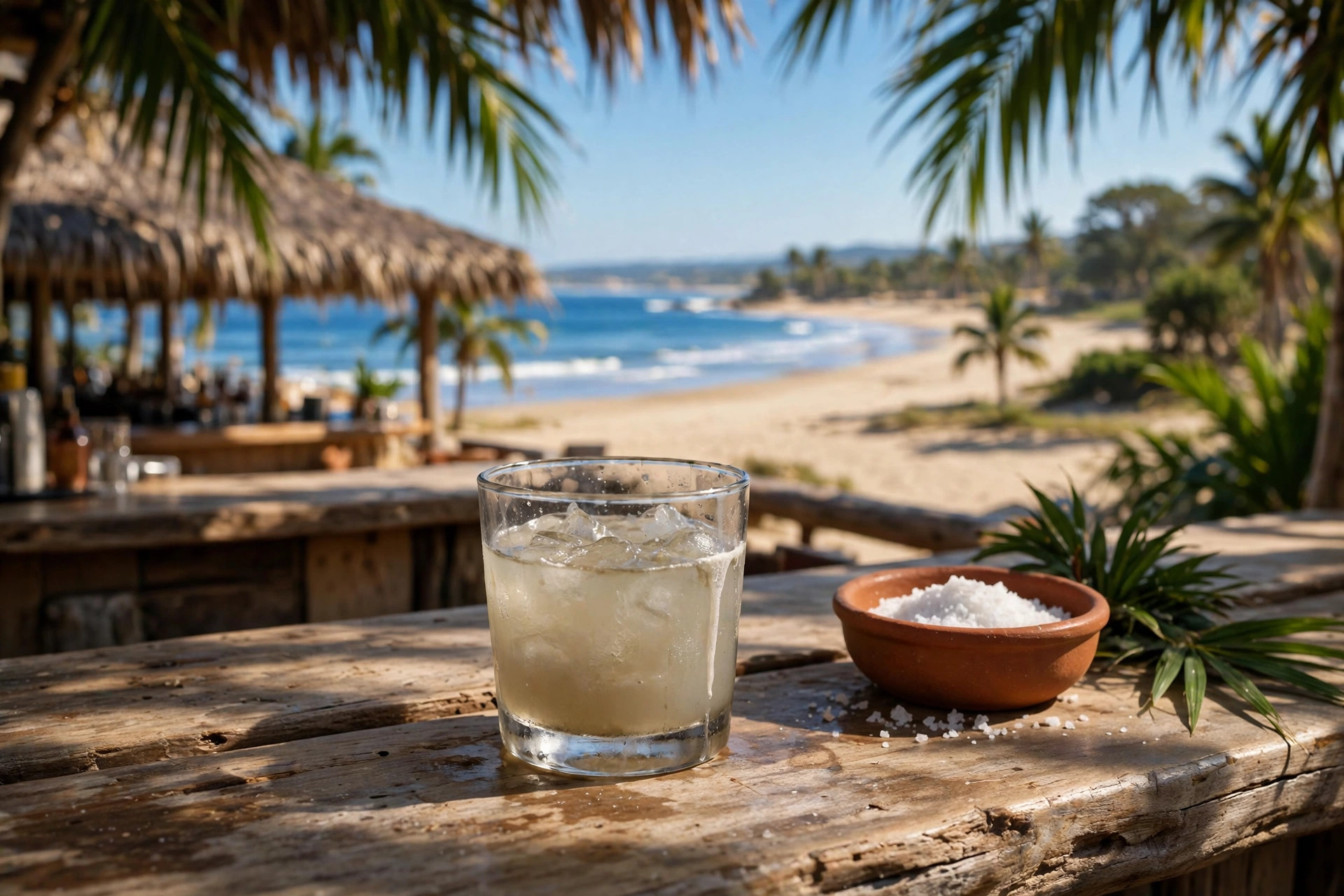
Here is a test that never fails. Walk into a beach bar, scan the back bar, and look for salt — actual salt, in a dish, a cellar, a ramekin, anything. If there is no salt anywhere, walk out. You have just learned everything about how this establishment feels about the details, and the details are the entire drink.
Salt is not an accessory at a beach bar. It is a foundational ingredient, as load-bearing as the ice machine. No salt means the margaritas are an afterthought, the micheladas are a rumor, and the whole citrus program is running on vibes. It means nobody on staff has ever watched a guest's face change when the first salted sip hits, because nobody has ever given them the chance.
This is also a hospitality tell. Salting a rim takes four seconds and costs a fraction of a cent, so a bar that skips it isn't saving money — it's telling you exactly where the line is between effort and good enough. You want the bar where the salt dish is always full and slightly damp from the sea air. That is a bar that understands the assignment.
— No salt, no trust, no second visit.
Salty take Nº 6
The Umbrella Is Structural
It holds up the garnish, the vibe, and arguably civilization itself.
People treat the paper umbrella like garnish-adjacent clutter — the first thing they yank out and toss aside, like they're defusing something. As if the little paper canopy is a joke. But look at what's actually happening: that umbrella is the load-bearing centerpiece of the entire tiki build. The cherry, the orange wheel, the pineapple wedge — all of it is architecturally dependent on that tiny plastic pole.
The umbrella also performs a critical signaling function. From across the pool deck, it is a flag: this person has their priorities in order. It says I am on vacation and I am not pretending otherwise. A martini could belong to a business lunch. A tiki drink with an umbrella can only mean one thing, and it is the correct thing.
Sure, nobody is pretending the umbrella keeps the sun off your drink — although in direct light every little bit helps, and we will die on this hill too. The point is that fun is structural. Strip every cocktail down to maximum efficiency and you don't get elegance, you get a hospital. The umbrella is the difference between a drink and a declaration.
— Never remove the umbrella. It's holding the whole thing together — literally and spiritually.
Salty take Nº 5
Frozen Drinks Are Not Lesser Drinks
The blender is a precision instrument, and the snobs can hold your drink while you prove it.
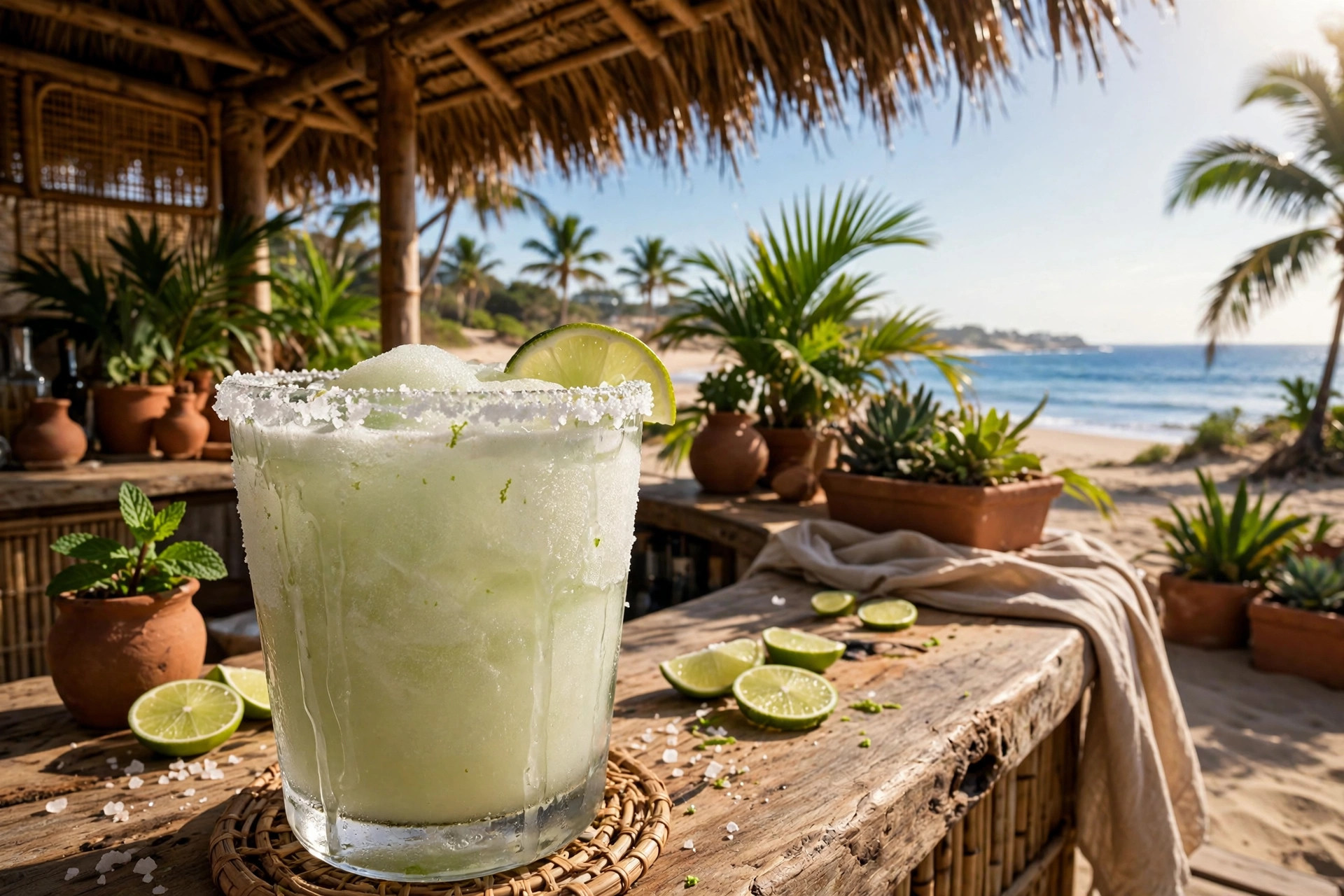
There is a certain kind of drinker who hears the blender whir and flinches, as if a crime is being committed behind the bar. To them, frozen drinks are the kiddie pool of cocktails — training wheels for people who can't handle a real drink. This is beverage classism, and it needs to be frozen out. A frozen margarita is not a margarita that failed. It is a margarita that went to engineering school.
Getting a frozen drink right is harder, not easier. A rocks margarita hides a lot of sins, but a frozen one has nowhere to hide: too much ice and it's a snow cone with regrets, too little and it's soup wearing a sombrero. The ratio of spirit to citrus to ice to dilution has to be dialed in like an instrument, and the texture — that perfect, spoonable, frosty body — takes genuine skill. Any bartender can pour over ice. Blending is chemistry with a motor.
And let's be honest about the agenda here. The frozen-drink hater is usually someone who had one bad spring-break slushie in 2009 and built an entire personality around the trauma. Judge the blender, not the category. Order the frozen margarita at the beach bar, hold it up against the 95-degree heat, and watch it do exactly what a drink is supposed to do.
— If it comes with a straw and a brain freeze, that's not a flaw. That's the feature.
Half-salted rims and sugared rims: a structural engineering report.
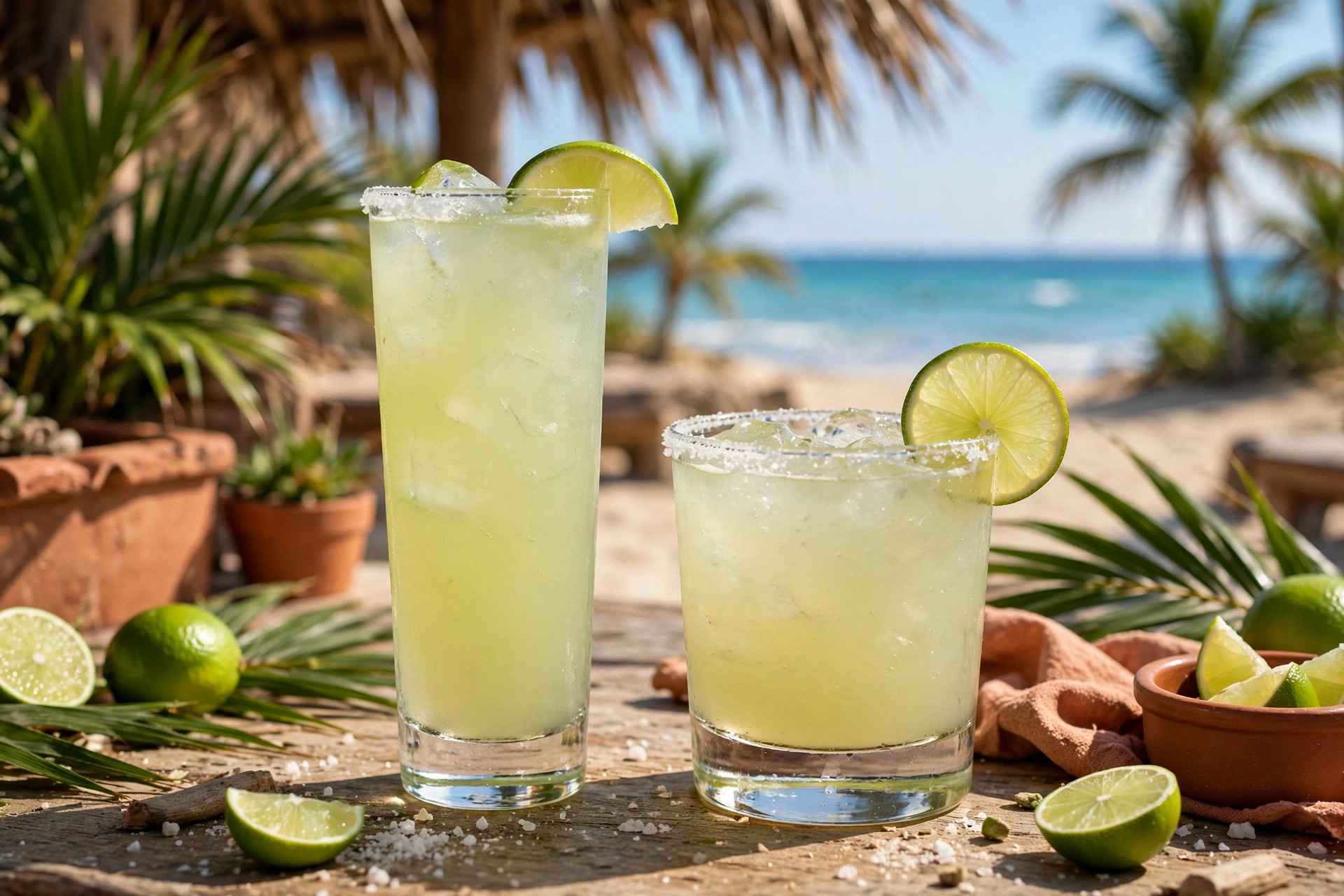
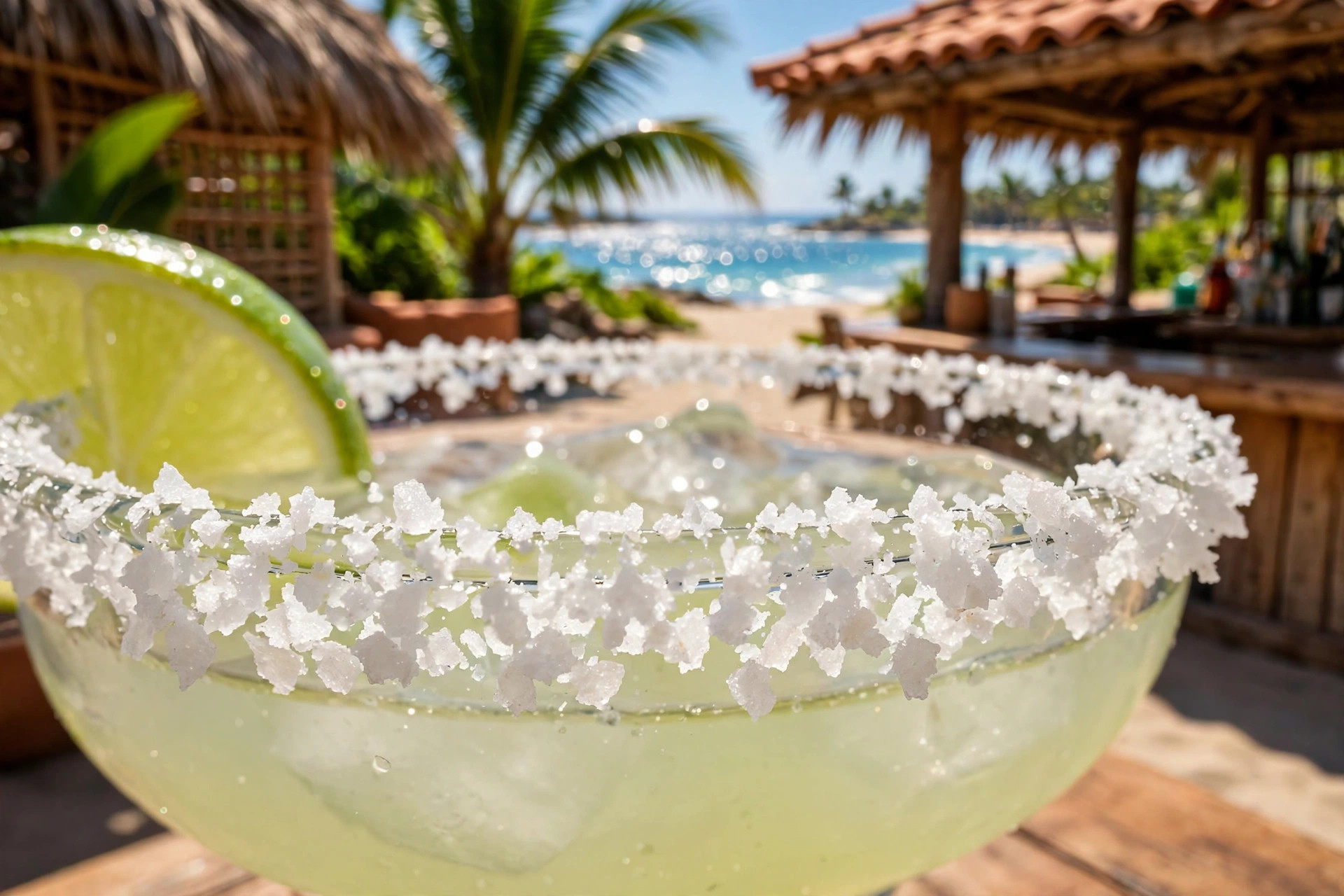
A margarita's salt rim is not decoration. It is infrastructure. Every sip is engineered so that salt hits your palate a half-second before the lime and tequila arrive, which is the entire reason the drink works — salt suppresses bitterness and turns the sourness up to exactly where it should be. The rim is doing more work than most of us do on a Monday.
Which is why the half-rim needs to be addressed. Salting only half the glass is presented as consideration — "for people who don't want too much salt" — but those people ordered a margarita, a drink whose defining feature is salt. A half-rim is a margarita with commitment issues. Salt the whole thing and let every sip be a choice, the way the universe intended.
And the sugared rim on a margarita? That's not a variation, that's a different drink wearing a costume. Sugar belongs on a daiquiri, on a sidecar, on a lemon drop. On a margarita it reads as an apology, and this drink has nothing to apologize for.
Every strong opinion, newest first. The archive grows by one every Friday.
Salty take Nº 3
The 6 A.M. Towel People: An Investigation
You reserved a chair. You left. The chair is still "yours." Fascinating legal theory.
Every beach resort has them: the guests who rise at dawn, march to the pool deck in the blue half-light, drape a towel over the four best loungers, and vanish until noon. The towels sit there all morning like tiny flags planted on conquered territory, holding prime real estate for people who are — and this is the key detail — not there.
Let's examine the logic. A towel is not a person. A towel cannot enjoy a view. A towel has never once said "ahh, this is the life." And yet we have all collectively agreed to honor the towel's claim, shuffling past rows of empty, towel-guarded thrones to squeeze onto the one chair left by the equipment shed.
The proposal is simple: a chair is yours when you're in it, and for a reasonable grace period while you swim — let's say the length of one good float. Beyond that, the towel is just laundry with ambitions. The beach belongs to the present. Show up, sit down, stay salty.
To everyone ordering "no ice" at the beach bar: we see you, and we're concerned.
Somewhere along the way, a rumor started that ice exists to cheat you out of beverage. That every cube is a tiny thief, stealing precious ounces of margarita. So now there's a whole movement of people ordering drinks with no ice, then drinking them warm, then wondering why the vacation doesn't feel like the brochure.
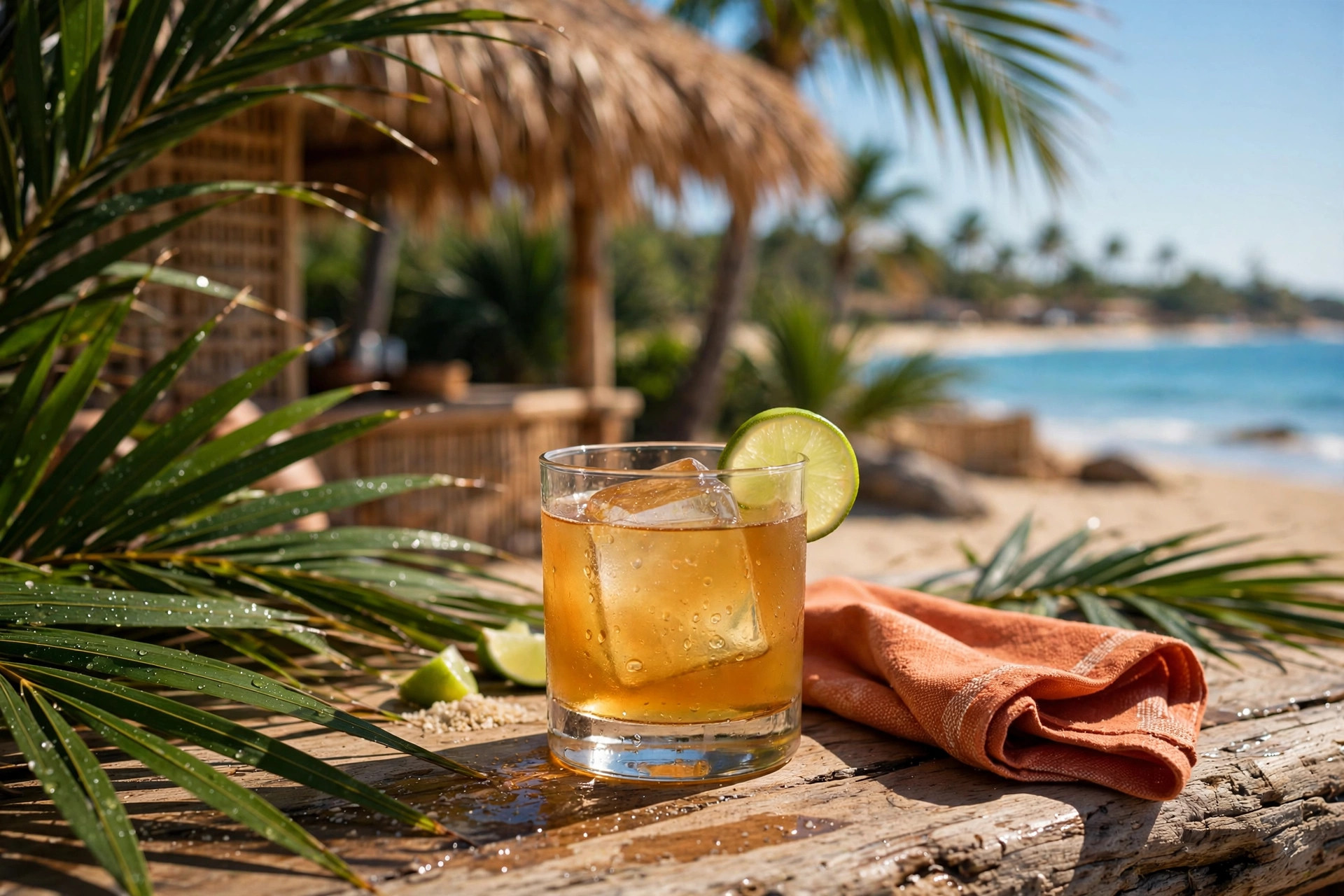
Ice is not the enemy. Bad ice is the enemy — the cloudy little pebbles that melt in ninety seconds and turn your drink into a rumor of a drink. What you want is the opposite of no ice: you want one big, beautiful cube, the kind that chills without surrendering, that dilutes at exactly the pace the drink opens up. Dilution isn't theft. It's seasoning. A margarita with zero dilution is a lecture; with the right dilution, it's a conversation.
So order the ice. Better yet, make friends with someone who freezes the big cubes. And if you ever catch yourself saying "ice waters it down" while sipping a lukewarm cocktail in 95-degree heat, know that somewhere, a salty piece of lime is judging you — lovingly, but firmly.
— Chill the drink, not the vibe. Actually, chill both.
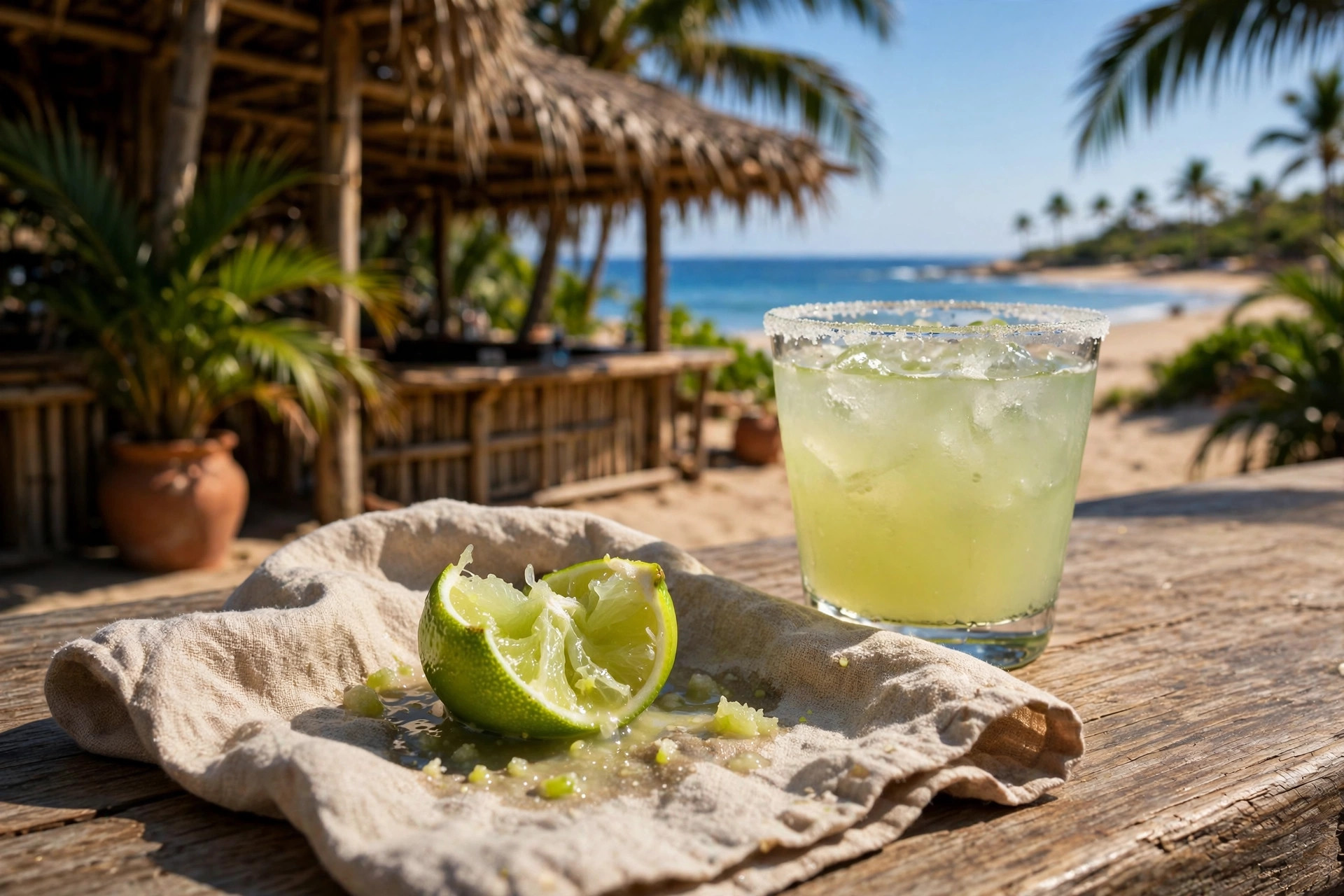
Squeeze it, thank it, and get it out of the glass.
We need to talk about what happens after the squeeze. You know the move: the wedge arrives perched on the rim, you press it over the drink like you mean it, and then — instead of setting the spent wedge aside like a civilized person — you drop it in. Plop. Now it's bobbing around in there like it's paying rent.
Here's the thing: a squeezed wedge has done its job. It's given everything it had. Leaving it in the drink doesn't add more lime — it adds bitterness from the pith and a soggy little obstacle that bumps against your lip on every sip. It's the difference between salting the rim and dropping the whole shaker in the glass. One is technique. The other is a cry for help.
And while we're here: the wedge on your glass is yours. The wedge on your neighbor's glass is a boundary. Do not reach across the table, squeeze a stranger's lime, and call it friendly. That's not friendly. That's citrus assault, and the beach has seen enough.
Every Tuesday's drink and Friday's take, delivered before your second cup of coffee. No spam, no "forest floor" tasting notes — just salt, citrus, and strong opinions. Unsubscribe anytime; we'll only be mildly devastated.